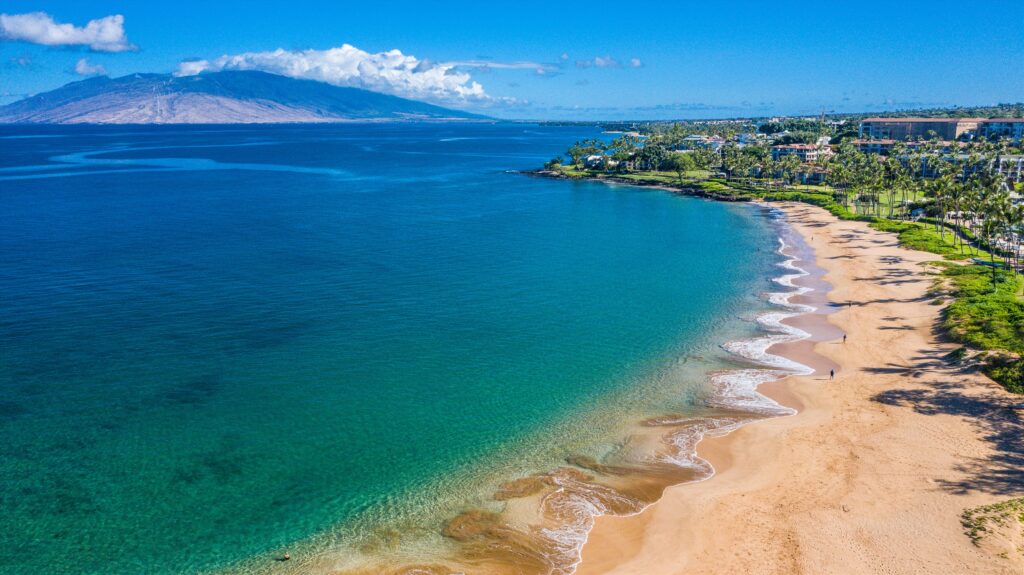
Aloha! We at Pure Maui hope you are excited and looking forward to your trip to Maui. Below are some important notes, links, and information regarding our island and Pure Maui procedures:
Explore Maui: Region by Region
West Maui (Lahaina / Kāʻanapali / Kapalua):
Iconic beach resorts, prime snorkeling, world-famous sunsets.
Up early for best parking; avoid main drag at rush hour.
South Maui (Kihei / Wailea):
Balance of relaxed beach vibe and upscale amenities.
Family-friendly beaches, excellent dining.
Upcountry & Haleakalā Region (Kula / Makawao / Haleakalā):
Elevation = cooler air, dramatic sunrise at Haleakalā National Park, scenic farmland.
Tip: Warm layers for sunrise, roads are winding.
East Maui (Hana / ʻOheo / Road to Hana):
Stunning waterfalls, jungle roads, the famed Road to Hana.
Take your time — it’s about the journey, not the destination.
Top Attractions:
Snorkeling at Molokini Crater
Whale-watching (winter season)
Sunset drives, hidden beaches, local food trucks.
Insider Tip: Begin days early, bring water/snacks, respect parking restrictions at beaches.
Ocean Safety
When in doubt, DON’T GO OUT!
Maui is stunning, but the ocean here does not play around. Conditions change quickly, and even experienced swimmers can get caught off-guard. A few minutes of awareness = a drama-free vacation.
General Safety Tips
Never turn your back on the ocean. Surprise sets = unexpected wipeouts.
If in doubt, don’t go out. Local motto. Local truth.
Respect warning signs & closures. They exist because people get hurt ignoring them.
Check conditions before you head out. Maui has micro-climates; Kihei can be glassy while Napili gets hammered.
Swim at lifeguarded beaches whenever possible.
Watch for strong currents. Especially in West Maui, Honolua, and along the Pali.
Use reef-safe sunscreen and don’t stand on coral. (It dies. Fast.)
Keep distance from wildlife. Turtles and monk seals are federally protected (and cranky when approached).
High-Risk Zones You Should Know
Big surf on north shores (winter) — huge swells, heavy currents, incredible to watch from far, far away.
South swells (summer) — deceptively powerful shorebreak in places like Makena (“Big Beach”).
Road to Hana shoreline — strong currents, hidden rocks, and conditions shift in minutes.
Blowholes & lava rock areas — stay back unless you’d like an express ride to the ER.
Simple Rule:
If the locals aren’t in the water… you probably shouldn’t be either.
Reef Safe Sunscreen
Most commonly sold sunscreen brands are detrimental to our reef system. The same reef system that you enjoy snorkeling on vacation are being destroyed by chemicals in these sunscreens. Together, let’s create a sustainable future for our reef ecosystems. Hawaii is the first state in the USA to ban the sale of sunscreen containing the coral-harming chemicals like oxybenzone and octinoxate, ushering in a new era of reef safe sunscreens. A law banning most commonly sold sunscreens you know on the mainland went into effect January 1, 2021. Below are some options of for reef safe sunscreen. You can also add reef safe sunscreen to your pre-arrival shopping list and we will have it at the house.
Here is a list of sunscreens that are Made in Hawaii, and are reef safe: